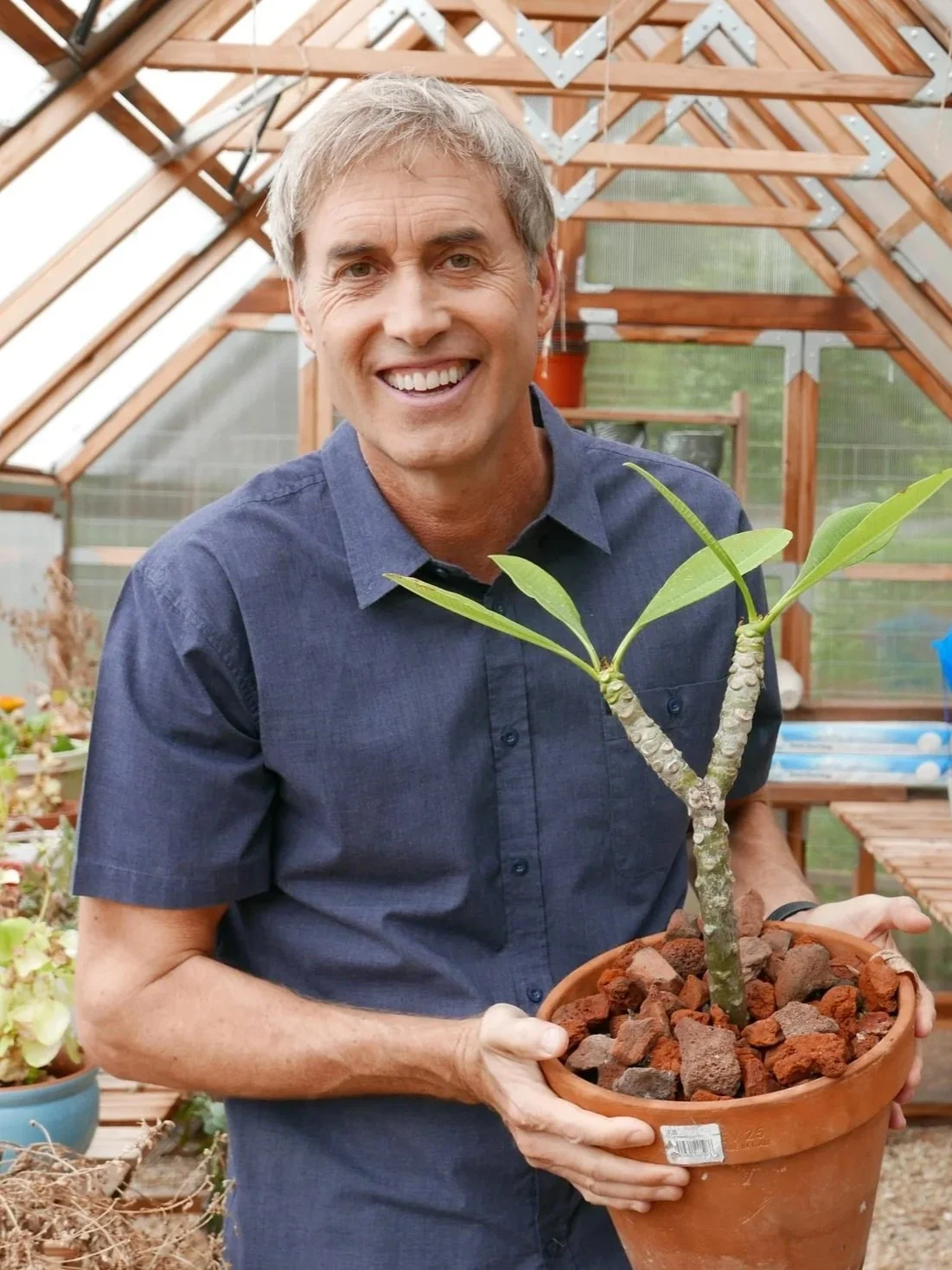
BJ Fogg, PhD
— Behavior Scientist at Stanford University
I teach people how behavior works so they can create products & services that benefit everyday people around the world. I teach both at Stanford University and outside of Stanford, helping industry professionals on important projects.
My system -- “Fogg Behavior Design” -- gives you a practical way to design for the behaviors you want — step by step. People who learn Fogg Behavior Design go on to (1) lead high-impact projects, (2) get breakthrough results, and (3) change lives at scale.
If you need to learn to change human behavior for good, without guessing, I can teach you how.
I warned policymakers in 2006
In 2006 I warned U.S. policymakers about dangers that future technologies would create. The video below shares the audio of my formal testimony to the U.S. Federal Trade Commission.
What makes my methods different from anything else?
In 2007 I solved an important puzzle about human behavior. At the time of discovery I was delighted, but I didn't fully grasp the power and potential of this thing I called the "Fogg Behavior Model."
In written form, my model looks like this:
B=MAP
Here's the simplest way to explain it: "Behavior (B) happens when Motivation (M), Ability (A), and a Prompt (P) come together at the same moment."
This solution is deceptively simple. On one hand, you can learn to think about behavior in this way in two minutes. On the other hand, you'll find this model applies to all types of behavior, in all cultures, for people at any age. It's universal.
With this cornerstone model in place, I was then able to create other models about behavior, as well as effective methods for design. Taken together I refer to my models and methods as "Fogg Behavior Design."
If success on your professional projects hinges on behavior change, I have good news: You can start learning Fogg Behavior Design immediately. Go here to see the learning options I offer for professionals: bjfogg.com/learn
Note: You can find some aspects of Fogg Behavior Design in Tiny Habits, my New York Times bestseller. This book isn’t a guide for professional projects. If you need to change behavior for work purposes, please go to the link above. But if you want to improve your personal habits quickly and easily, you can learn more about Tiny Habits here: TinyHabits.com
Areas of Expertise
I am a behavior scientist, with deep experience in innovation and teaching. At Stanford University I've directed a research lab for over 20 years. I also teach my models and methods in special Stanford courses each year.
On the industry side, I train innovators to use my work so they can create solutions that influence behavior for good. The focus areas include health, sustainability, financial wellbeing, learning, productivity, and more.
In 2002, I published a book entitled, Persuasive Technology, about how computers can be designed to influence attitudes and behaviors. At the time of publication this book was mostly ignored. Now, almost 20 years later, I see my predictions and warnings about persuasive technology were surprisingly accurate.
Fortune Magazine named me a "New Guru You Should Know" for my insights about mobile and social networks.
In 2009 my research interests moved away from persuasive technology toward human behavior in general, especially health habits. This led to creating a new set of models and methods that comprise what I call “Behavior Design.” In January of 2020, I shared 300 pages of new and practical uses for Behavior Design in my New York Times bestselling book Tiny Habits.
Today I devote about 50% of my time to Stanford and 50% to industry teaching & innovation. For me, working in both worlds makes sense: My Stanford work makes me better in industry. And what I learn in industry improves my Stanford research. I’m always happy to help other innovators.
My expertise is any aspect of behavior change, from habit formation to company culture change. That said, I don’t do any personal counseling or hourly consulting. I also have a policy not to join any startup advisory boards.
Do you need my help creating a product that changes behavior? I do free calls. In just 15 minutes I can help you a lot. Go here to apply.
Below are a few ways to learn how to learn my models and methods, starting with the best options:
Join me to learn Fogg Behavior Design: See ways to learn from me
Read my book: Tiny Habits: The Small Changes that Change Everything
Join my 5-day program to learn the Tiny Habits® method. It’s simple, powerful, and free.
I teach you Fogg Behavior Design (with AI tools)
In a world of AI, you can build almost anything.
However, AI doesn't solve the two big questions: Are you building the right thing? And will people actually do the behaviors you intend?
That's why you need Fogg Behavior Design.
I created and upgraded my breakthrough system over the course of 20 years. Fogg Behavior Design gives you proven methods to focus on what matters most, and then design systematically for the behaviors you want.
When you train with me, you'll learn me system and get access to new and unique AI tools to be more effective than ever before.
Go here to see the learning options I offer for professionals: bjfogg.com/training
What I'm all about
I always try to do groundbreaking work that will improve people’s lives through behavior change. That's my #1 focus as a researcher and innovator, both at Stanford and in industry. Over the years I've created new ways to understand behavior and new methods for designing change solutions. The system I call “Fogg Behavior Design” is elegant and powerful.
Affiliated with Stanford since 1995
These days I’m affiliated with Stanford Lifestyle Medicine, which is part of Stanford’s School of Medicine. My projects range from research to innovation, teaching to mentoring.

Contact Me
Learn more about my work and get in touch.
Email:
Stanford: bjfogg@stanford.edu
Industry: bj@bjfogg.com
Talk with me:
Are you creating a product or service to help people be healthier & happier? If so, you may want to reach out to me.
In just 15 minutes I can help you a lot.
Go here to apply: https://bjfogg.typeform.com/callwithBJFogg